
GALVANOXIDE
Aluminium is the store. Water is the trigger.
Aluminium stores the energy. Water releases hydrogen and heat. The oxide decides whether the reaction runs. We work on that decision. No tank farm. No thousand-kilometre pipe.
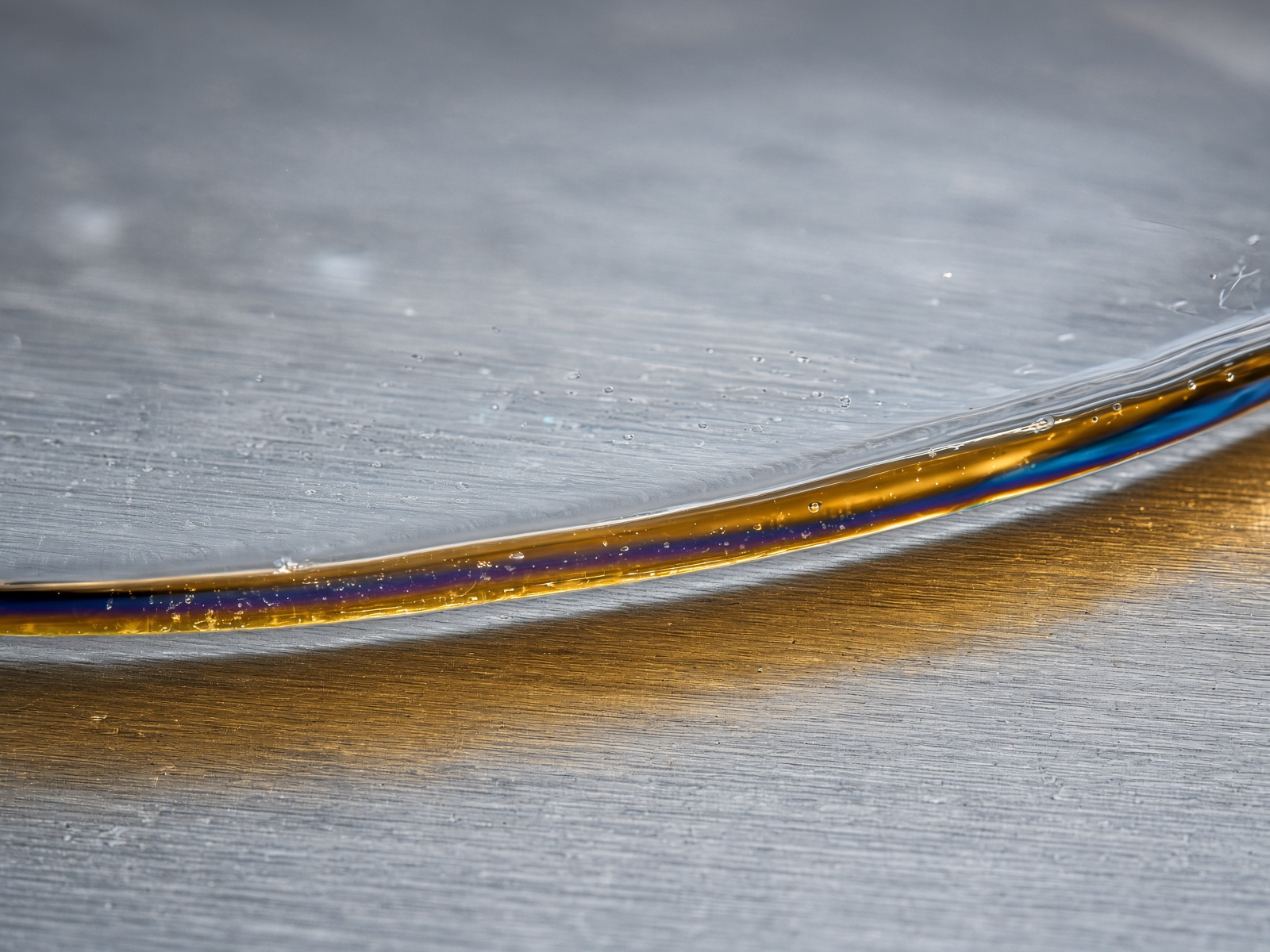
The film
A few dozen atoms. Command them.
The chemistry is old. The control is the work.
Aluminium and water react to form aluminium hydroxide, hydrogen and heat. Each kilogram of aluminium can release about 0.11 kilograms of hydrogen and about 15 megajoules of heat. Established
In everyday life it doesn’t happen, because aluminium seals itself with a transparent oxide skin a few nanometres thick. That skin is why saucepans last. It is also why aluminium has never been a practical fuel.
HydroGien’s science is the management of that oxide: when it opens, when it closes, and how the reaction runs in between. The method is protected by filed patent applications and is not described here. Filed
On demand
Hydrogen is made when it’s required. The standing inventory is metal and water, not compressed gas.
Local
Stationary and remote power — fixed plant, backup, places a fuel cargo arrives late — not a haul-truck fleet and not a plan to displace diesel by the gigalitre.
Australian matter
The feedstock story starts in bauxite and scrap already in this country, not in a foreign refinery. Primary metal is never the fuel.
Where it stands
GALVANOXIDE is technology under development, not a finished energy system. Patent applications are filed, and research with Australian universities and laboratories is under way under commissioned agreements. In validation No performance figure for our own reactor is on the record. Not yet measured Yield, residue and the delivered price of near-free scrap are still to be measured. The first campaign is a measurement, not a power plant. If it fails, that result is reported.